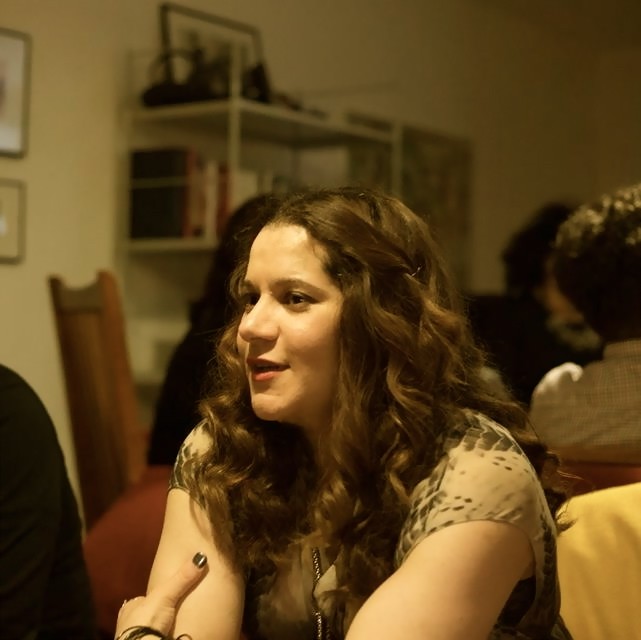
Rachida Lamri is a writer, musician, and cultural advocate, and the Founder and Creative Director of Culturama, an organisation that champions Algerian arts and heritage in the UK.
In 2021, she founded DzFest, the UK’s first multidisciplinary Algerian cultural festival, bringing together artists and audiences to celebrate Algeria’s rich cultural heritage. She also founded AMAL (Algerian Music Association of London), an intergenerational choir preserving classical Arabo-Andalusian musical traditions.
As DzFest returns in 2026, we speak to Rachida about the festival, its journey and what audiences can expect this year.
What inspired you to create DZ Festival 2026?
“I founded DzFest in 2021 as the pandemic restrictions began to lift. At the time, I felt a deep void in the UK cultural landscape for art and performance that truly resonated with the British-Algerian experience; grassroots representation was very limited.
DzFest was created to champion this space, making Algerian culture more accessible and appealing to mainstream British venues and wider audiences. While incredible international promoters have always brought legendary acts like Tinariwen and Souad Massi to the UK, there was a real need for a grassroots, community-led platform working from the ground up. We started small, driven entirely by collective passion, and today, as we celebrate our fourth edition, the festival’s growth is a beautiful testament to our community’s immense appetite for self-expression and cultural connection.
But it is also a testament to the British community’s openness to other cultures and points of view; we simply couldn’t have existed anywhere else but in the UK.
Algerian culture is incredibly diverse, from music and literature to food, visual arts and contemporary culture. How does DZ Festival 2026 reflect this diversity and the different generations of Algerian artists and creatives?
We consistently strive to ensure everyone feels seen and represented across generations and geographies. For instance, our 2024 ‘Sahara Edition’ aimed to shine a light on the diverse Saharan cultures, a vast, beautiful heritage that can sometimes be unfamiliar even to Algerians themselves. In that sense, our work carries a vital educational element. We also bridge the generational gap by intentionally pairing traditional masters with younger, contemporary British-Algerian creatives who are exploring their roots through modern mediums like electronic music, digital art, and literature. When we are abroad, the geographical boundaries of eastern, northern, or southern Algeria naturally soften into a beautiful mosaic.
The festival serves as a reminder that despite our regional nuances, we are bound together by a shared identity. We are, simply and proudly, Algerian
What role do you think cultural festivals like DZ Festival play in connecting Algerian communities in the UK with their heritage, while also introducing Algerian culture to wider British audiences?
Cultural festivals serve a vital dual purpose: they act as both a mirror and a bridge. For the British-Algerian community, especially the younger generation born or raised here, DzFest is a mirror. It offers a space to see their heritage celebrated with dignity, helping them anchor their identity. At the same time, the festival acts as an open, welcoming bridge for the wider British public. Art, food, and music are universal languages that break down stereotypes. When you see a diverse London audience sharing a traditional meal or dancing side-by-side to Algerian rhythms, those barriers melt away. By inviting mainstream audiences into our spaces, we offer a nuanced, authentic encounter with Algeria’s rich history, proving that you can be fully British while remaining deeply proud of your roots.
Are there any artists, performances or events in this year’s programme that you are especially excited about, and why?
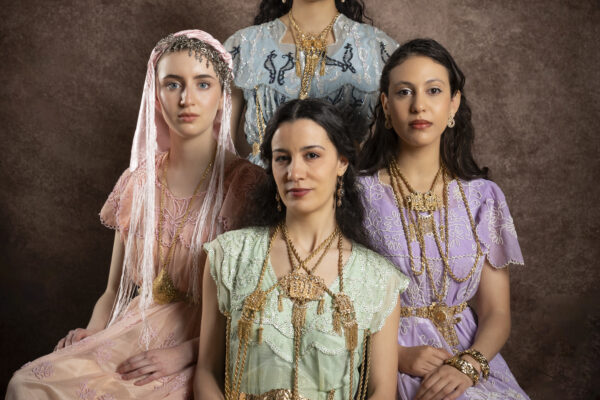
Our 2026 programme is incredibly vibrant and multi-layered under our core theme of Heritage & Decolonisation. I am immensely excited about our central focus on the Blousa garment, curated through a pop-up textile exhibition that traces its journey toward UNESCO Intangible Cultural Heritage listing. Alongside this, we have powerful Algerian cinema screenings highlighting feature and short films by a rising generation of bold directors, and a landmark academic conference exploring the Andalusian musical legacy of Algeria with some incredible experts, speakers and contributors.
But on a personal note, this year’s musical finale is particularly close to my heart. Rather than hosting a major international act, we are shining the spotlight directly on our home-grown British-Algerian community through AMAL (the Algerian Music Association of London). As a musician myself, amid all the demanding logistics of producing a festival, I deeply missed simply being an artist. I founded this intergenerational choir in 2024 to return to my roots and build a genuinely safe, collaborative space where people can come to sing and perform. Today, AMAL has grown to over 30 members preserving our classical Arabo-Andalusian Nouba heritage. Seeing elders passing down these ancient melodies to children and teenagers who grew up in London, and watching them all stand together to close the festival on the stunning stage at St James’s Piccadilly on Saturday 10th October, will be an unforgettable milestone for us all

Looking beyond the 2026 edition, what would you like DZ Festival to become, and what kind of future do you hope to build for Algerian arts and culture in the UK?
My hope is for DzFest to keep thriving well into its 10th and 20th editions, eventually passing the torch to a new generation of leaders full of fresh energy and vision. Ultimately, my dream for the British-Algerian community is one of unity and collaboration.
I always encourage people to look at the bigger picture: we do this to build a sense of belonging and pride in a brilliant, ancient culture. Beyond our own community, I see the festival as an important contribution to the cultural soft power for Algeria.
We are incredibly grateful that institutions like Arts Council England and the British Council share this vision and have recognized the vital need for greater Algerian representation in the UK; their support has been instrumental in allowing us to build these creative bridges.
Our long-term goal is to see Algerian arts regularly programmed at major British institutions like the Southbank Centre and the Barbican.
Within our own creative community, our goals are aligned; so whether we are working hand-in-hand or supporting each other from parallel platforms, the objective remains the same: to uplift our heritage, protect our culture, and project it globally, while always keeping our local community at the heart of everything we do.
Explore the full DzFest programme: DzFest 2026 Programme